Strabismus - Causes of Binocular Vision Disorders
Parents often come to the clinic with their children, who either exhibit or are suspected of having strabismus. Special attention is required for young patients with strabismus. Firstly, because an optometrist or orthoptist needs particular cooperation during examination and vision therapy, and secondly, the child needs acceptance and support to actively participate in exercises and to accept themselves despite difficulties without losing self-confidence.
Strabismus (visible, improper alignment of the eyes) or heterophoria (hidden strabismus, not visible “to the naked eye”) are, contrary to appearances, common disorders of binocular vision. Strabismus may be the primary cause of a child’s vision problems but can also result from previously existing, unnoticed factors. In today’s article, I will briefly introduce the causes and factors contributing to the development of strabismus and heterophoria.
Strabismus Causes (Most Common)
- uncorrected vision defect, i.e., refractive disorders;
- amblyopia;
- anatomical factors;
- factors related to the innervation of the ocular muscles;
- central nervous system diseases;
- genetic factors.
Uncorrected Vision Defect
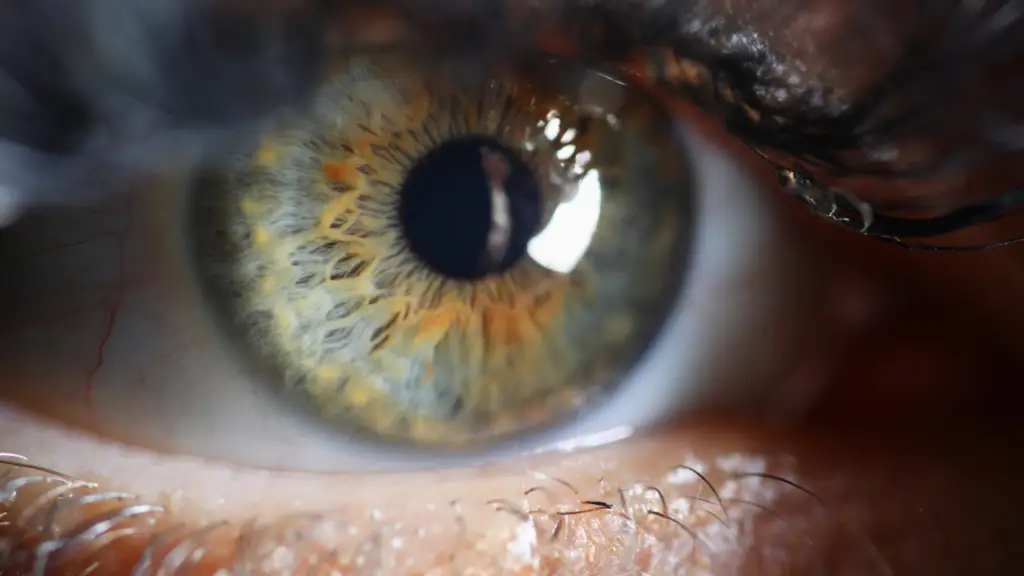
A large, uncorrected vision defect disrupts a child’s vision. It causes additional tension in the eye muscles or accommodation, which often leads to improper eye alignment, either one or both.
When a child has anisometropia, meaning one eye has a greater defect than the other, the brain receives two different images – one less, the other more blurred. In this situation, the brain chooses the better image and favors the better-seeing eye. The image from the worse eye is ignored, and over time it is not received by the visual cortex. This results in amblyopia of one of the eyes, i.e., a “lazy eye.”
Other vision disorders may include poor accommodation (lagging or excessive), disorders in the convergence-accommodation reflex, fixation disparity.
Strabismus Causes: Anatomical Factors
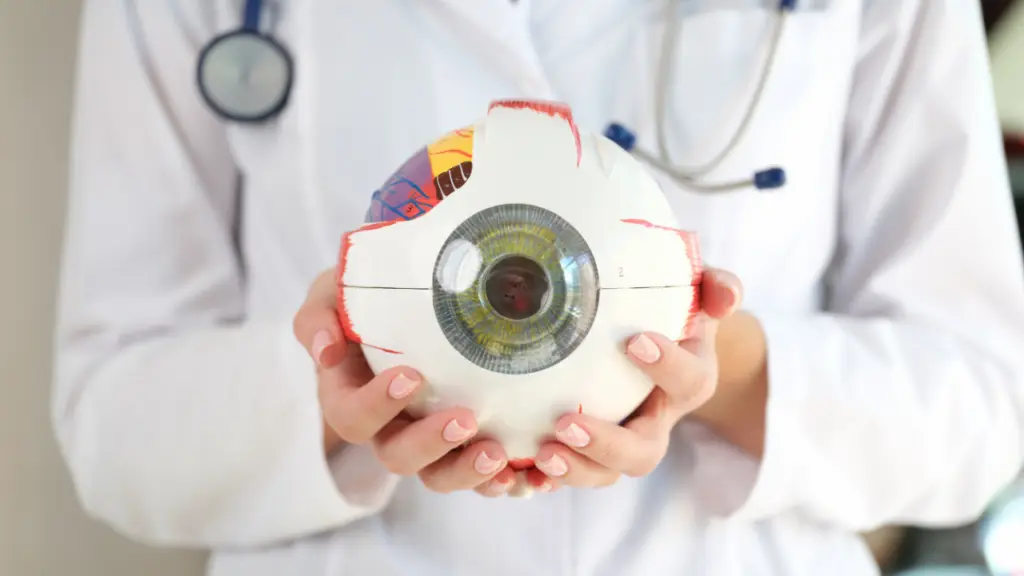
The second group causing improper eye alignment is anatomical factors. These are features of the eye sockets, including their orientation, shape, and size. Further, the size and shape of the eyeballs, as well as the volume and viscosity of the extraocular tissues, influence the positioning of the eyes. The structure of the ocular muscles, their length, elasticity, location, and condition of attachments, and muscle ligaments can be considered. Some ophthalmologists believe that about 90% of strabismus cases have their basis in anatomical reasons.
Strabismus Causes: Factors Related to Innervation
Another group will be factors related to innervation, i.e., all nerve impulses reaching the eyes. These include:
- impulses controlling the work of ocular muscles,
- fixation and aiming reflexes,
- the influence of the static apparatus on the ocular muscles and their tension.
Disorders in this area can cause strabismus.
Paralytic Strabismus
Paresis of the ocular muscles or paralysis of cranial nerves: III (oculomotor), IV (trochlear), and VI (abducens) cause paralytic strabismus.
Strabismus Causes: Non-specific
Other factors in children’s strabismus can be less specific disorders, e.g., sudden fever, abrupt mental disturbances, poisoning by toxins, impact, injuries during birth, or genetic factors. Sudden vision loss in one eye is also a cause of strabismus.
Unfortunately, patients sometimes do not show any of the listed symptoms but still have problems with binocular vision and eye alignment. So far, there is no conclusive evidence on which part of the brain is responsible for eye alignment and control of vergence eye movements.